

Making food can be super fun and awesome, and to keep it that way, it’s important to practice a few safety tips when you’re in the kitchen. Having adult backup, knowing how to sterilize and clean your work area, and understanding the proper way to handle different types of foods are all things you need to know and do.
Grown-up Back-up
Before you get started, make sure you get permission to start your cooking project. Let your parent know if your recipe uses knives, a stove or any other appliance used to heat food, or other types of kitchen appliances (blenders, food processors, and other stuff like that), you need to ask an adult for help, especially when you’re just learning.
Having an adult helping you while you cook will help keep you safe, and make sure you have the ability to act properly and quickly if something goes wrong. Besides, it’s always great to have a second set of hands in the kitchen…even the professionals have assistants, and sometimes even whole teams!
Wear an apron to keep your clothes clean and avoid staining. Make sure your shirt, especially, isn’t too large and baggy, as loose fabric can get caught on moving appliance parts, catch on fire, and create other hazards.
Big Bad Bacteria
When you’re working with raw food (even vegetables), you have to keep your kitchen, your cooking gear, and yourself — CLEAN. When you keep your materials clean, it keeps bacteria from contaminating your food.
BACTERIA is what makes you sick (germs), CONTAMINATION is what happens when dirty stuff (like bacteria) gets into clean stuff (like your food). Food doesn’t have to LOOK dirty to BE dirty, so it’s important to:
Practice the following SUPER IMPORTANT safety tips all the time
- Before you start, wash your hands with soap and clean water
- Wash your hands before and after handling raw meat, poultry, egg, and fish products. < Really important
- Wash your cutting board, knives, and surfaces, especially in between switching from meat to raw veggies and fruits
- Make sure all your fruits and veggies are thoroughly washed (you can fill up the sink with water and a couple Tablespoons of white vinegar to make a good veggie wash)
- Clean as you go
- Don’t eat raw eggs, or foods that have uncooked eggs in them (like dough)
- Wash your hands before you eat
- Have an adult help you properly store leftovers
Sharp and Hot – PAY ATTENTION!
Always ask your grown-up if you can use appliances with cutters, blades, or heating elements. If they say it’s ok to use a knife, point the blade away from your body and keep your fingers away from the blade when you’re cutting. And watch it when you’re not using it, too. Be careful where you wave that thing!
Pay Attention! Give 100% of your attention to what you’re doing at all times.
Don’t get burned
- Use potholders or oven mitts when handling hot pots, pans, or baking trays. Don’t use your shirt, or a towel, or the cat.
- Turn pot and pan handles toward the back of the stove so you won’t flip them over by accident.
- Never try to relight the pilot light on a gas stove. Only an adult should do this. An adult should also light the burners for you and make sure to pay close attention when you’re near the stove so you don’t catch yourself, clothes, or utensils on fire.
- Use only microwave-safe dishes in the microwave. Some dishes can break, crack, explode, or get too hot in the microwave. If you’re not sure if something is safe for use in the microwave, ask your grown-up.
- NEVER put anything metal in the microwave. Even a little foil on a label can cause sparks and fire.
If you practice good safety and cleanliness, and pay attention to what you’re doing, cooking can be a grand adventure. If you have any questions about what’s safe and what’s not, ask your grown-up! Chances are, they know a thing or two about kitchen safety.


 Valentines Day falls on February 14 every year. The real history of Valentine’s Day is a little confusing. It began as two different pagan festivals that were later adopted by the Catholic Church as an entirely
 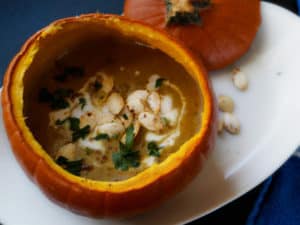 You’ll need a cookie sheet, a food processor or immersion blender (OR a good hand-masher and some patience), a soup pot, and an oven for this soup. You’ll also need an adult to help with cutting, baking, and cooking on the stove top!


 Today, scientists have discovered that chia is good for: balancing insulin levels and helping prevent diabetes, burning fat and providing loads of essential fatty acids, vitamins, nutrients, and fiber. They’re good for your guts, bones, skin, and brain!
 Chia con Limonada (chia with lemonade)
 St. Patrick’s Day is on March 17th of every year. St. Patrick’s Day is an Irish holiday honoring Ireland’s patron saint. In Irish language, it is called Lá Fhéile Pádraig, or “the Day of the Festival of Patrick,” St. Patrick’s Day celebrations are a way to celebrate Irish culture, where it is a national holiday. In fact, it is observed (celebrated) in more countries around the world than any other national festival.


 Colorful Daffodil Decorations
 Using big cookies, full-size chips and baby marshmallows
